FIELD NOTES / Swaner Preserve, Park City, Utah
Making Room Along Swaner’s Creeks
At Swaner Preserve, a season of planting, weed removal and fence removal reveals the patient work of making creek corridors more welcoming to wildlife.
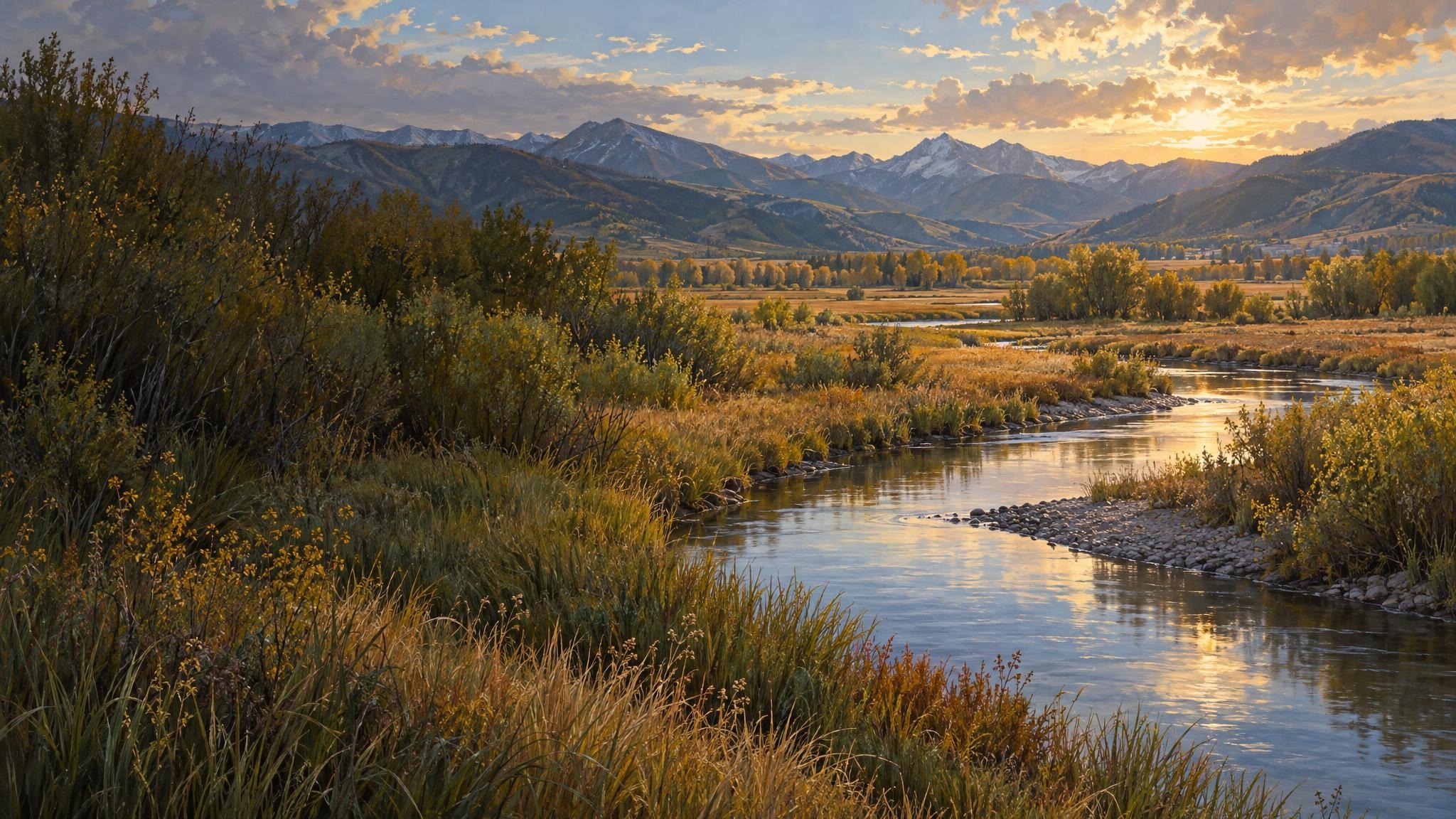
Restoration sometimes means putting something back; sometimes it means taking something away. At Swaner Preserve in Utah’s Wasatch Back, both approaches shaped a summer of work along the water. A conservation update published October 9, 2026, recounts the July–September field season: willow planting, invasive weed removal and the dismantling of an old fence. Together, these efforts offer a grounded picture of care for a changing landscape.
Along Kimball Creek and East Canyon Creek, the team reported planting more than 850 live willow stakes. Harvested from willows already on the preserve, these cuttings were placed where woody growth was missing. A single piece of stem can become a new plant—a modest beginning that makes restoration feel both practical and quietly remarkable. Another 900 pollinator plants went into the preserve’s northwest border along East Canyon Creek.
Making room also required removal. Summer crews took out 3,300 pounds of invasive weeds, mostly dyer’s woad and musk thistle. On East Canyon Creek, a Utah Conservation Corps crew removed the final mile of aging exclusionary fencing. Originally installed to protect tree plantings in the early 2000s, it had deteriorated into an obstacle for wildlife and restoration work. What once sheltered new growth had become something the corridor no longer needed.
The update also recorded northern harriers, kestrels and other raptors over the preserve, alongside sandhill cranes preparing to leave after raising young there that summer. Those observations belong to that season, not a promise of what November visitors will find. Yet they help explain the value of this patient work. The beauty here is not only in open sky and creekside vegetation, but in the deliberate effort to give living things room.
Go to the source
- What's Happening on the Swaner Preserve? Conservation Update from July-September 2026 ↗ (2026-10-09)
An original AI-written summary of the sources above. The artwork is an interpretation, not a photograph of the reported event. Have a correction? Tell Lee.
Explore the Past Collection