FIELD NOTES / Wuda Ogwa, near Preston, Idaho
The Patient Work of Restoration at Wuda Ogwa
Near Preston, a collaboration with the Northwestern Band of the Shoshone Nation brings conservation crews into the patient work of restoring native plants.
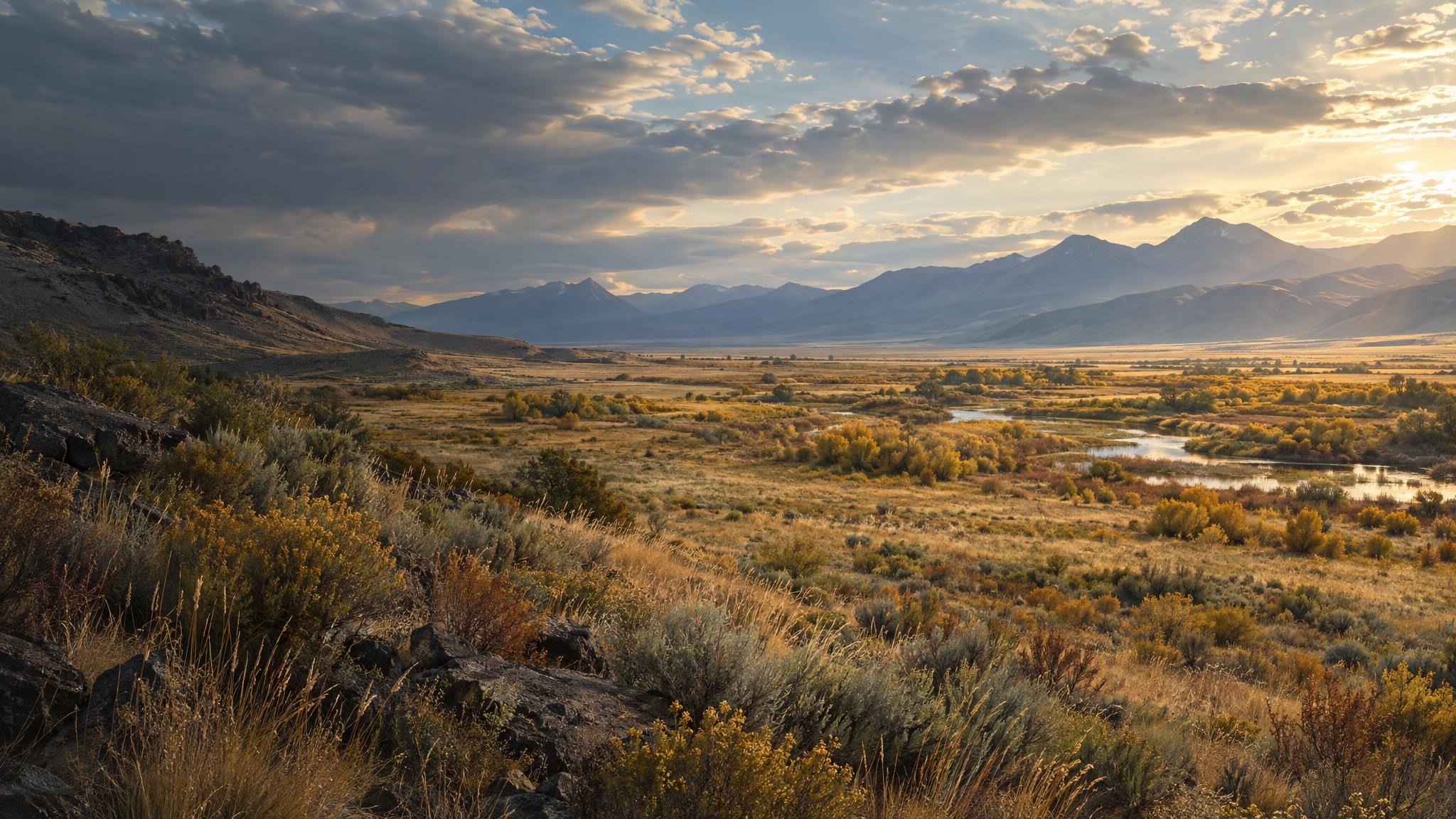
A landscape’s future can depend on work that offers little spectacle: removing an invasive tree, tending the return of native plants, maintaining a partnership. Near Preston, Idaho, that work connects Utah Conservation Corps crews with the Northwestern Band of the Shoshone Nation through the Wuda Ogwa Cultural and Land Restoration Project. Here, conservation is both a task on the ground and a relationship sustained over time.
In an account published October 14, 2026, Utah State Magazine reported that corps crews had participated in the project for the preceding six years. Their work included removing invasive Russian olive trees and helping restore native plants. Those are the concrete measures the account describes—not a declaration that restoration is finished, but evidence of repeated effort devoted to a particular place and its community.
The collaboration belongs to a wider program marking 25 years in 2026. Utah Conservation Corps brings AmeriCorps members into projects ranging from trail upkeep to habitat restoration, with the aim of preparing future conservation leaders. At Wuda Ogwa, that broad mission takes a local form. The magazine’s account emphasizes the care staff and members have given to building and sustaining their relationship with the Northwestern Band.
There is something worth appreciating in that continuity. Landscapes are often celebrated as views, complete in the moment we encounter them; restoration asks us to consider what needs attention beyond the frame. At Wuda Ogwa, the reported work offers a quieter way to understand regional nature: through the plants people are working to restore, the invasive trees they remove, and the commitment to return. The beauty lies partly in that patient attention.
Go to the source
An original AI-written summary of the sources above. The artwork is an interpretation, not a photograph of the reported event. Have a correction? Tell Lee.
Explore the Past Collection