FIELD NOTES / Near Preston, Idaho
Making Room for Native Roots at Wuda Ogwa
Near Preston, conservation crews and the Northwestern Band of the Shoshone Nation are working together to remove invasive trees and restore native plants.
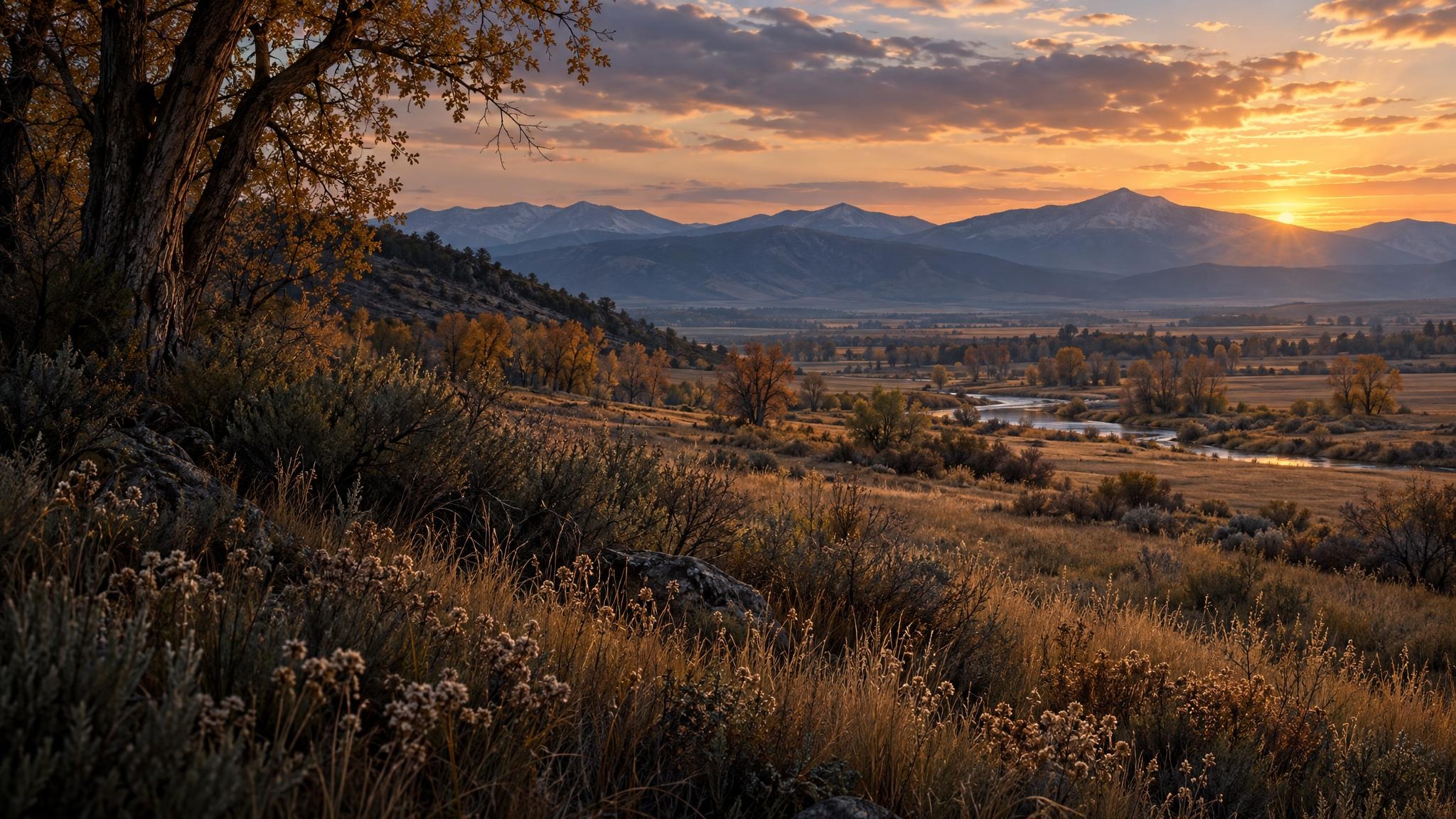
Near Preston, Idaho, a story of landscape care unfolds through the removal of invasive trees and the work of restoring native plants. At the Wuda Ogwa Cultural and Land Restoration Project, Utah Conservation Corps crews have been collaborating with the Northwestern Band of the Shoshone Nation. The work offers a grounded way to consider conservation: as a sustained commitment to a particular place, alongside a particular community.
An October 14, 2026, Utah State Magazine account reports that corps crews had assisted with the project for six years, removing invasive Russian olive trees and helping restore native plants. That span matters. This is not an undertaking described only by a single volunteer day or a finished planting. Its continuity suggests another measure of stewardship: the willingness to keep returning to the work.
The account places Wuda Ogwa within the Utah Conservation Corps’ first 25 years. Its AmeriCorps teams undertake projects ranging from trail upkeep to habitat restoration, often working with natural-resource managers. Here, however, the relationship itself receives emphasis. Sean Damitz, executive director of Utah State University’s Center for Community Engagement, credits staff and members with helping establish and sustain the collaboration with the Northwestern Band.
There is something worth appreciating in that pairing of ecological work and continuing human responsibility. Removing an invasive tree is a concrete task; sustaining a working relationship asks for attention of another kind. At Wuda Ogwa, both belong to the same restoration story. The beauty to contemplate is not a declared recovery or a finished landscape, but the patient effort to make room for native plants while keeping a commitment alive.
Go to the source
An original AI-written summary of the sources above. The artwork is an interpretation, not a photograph of the reported event. Have a correction? Tell Lee.
Explore the Past Collection